
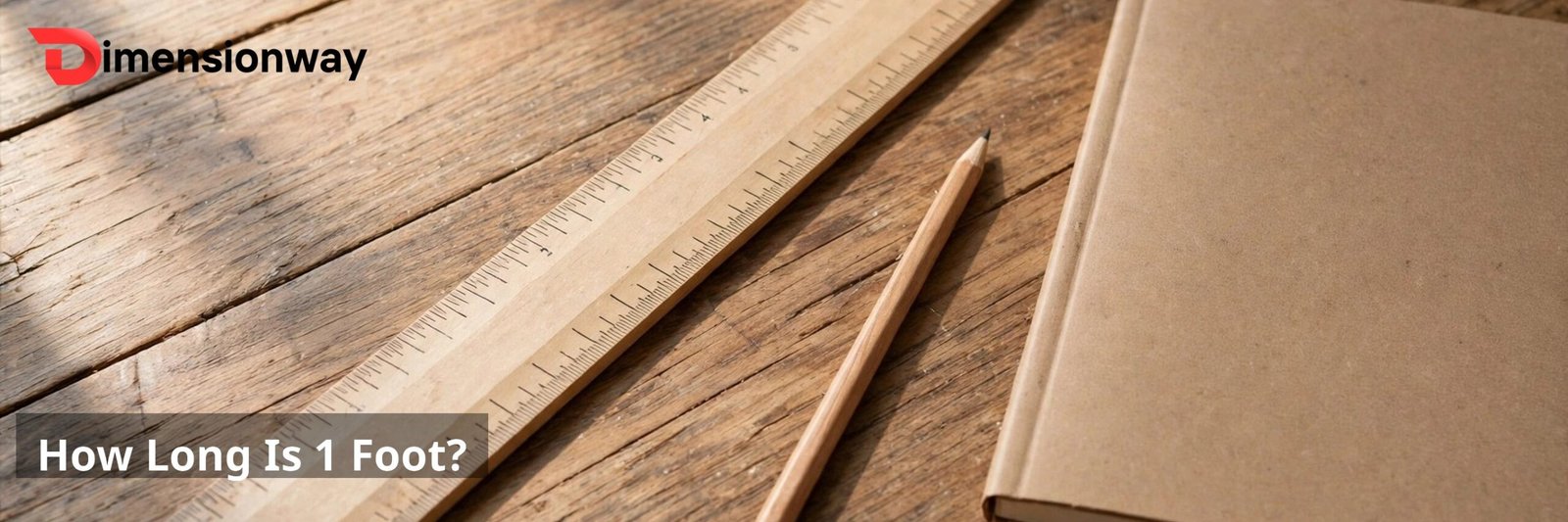
One foot is 12 inches (30.48 centimeters), exactly the length of a standard school ruler.
That one sentence is the whole answer, and it is also the reason this measurement feels so easy to picture. You have held a foot in your hand since grade school. Every ruler you ever used in class was one foot long, and that yellow strip of plastic trained your eyes to know this distance without thinking. Yet most people never stop to notice how many everyday objects share exactly that length, or how many come close enough to fool you.
This guide turns one foot into pictures you already know. You will see it as a ruler, a record, a pizza, a sandwich, and a sheet of paper, with real numbers behind every comparison so you can tell the exact matches from the close calls.
One foot also shows up in practical places you may not have connected before. Carpenters, tailors, teachers, and cooks all work in feet and inches every day, and the foot is the unit they reach for when something is too big for inches but too small for yards. A bookshelf is a few feet wide. A pizza is measured in inches but sold by the foot. A room is measured in feet. Once you can picture one foot precisely, every larger measurement gets easier, because feet are just this unit stacked end to end.
1 Foot in Plain Numbers
Before the comparisons, here are the exact conversions. One foot is defined as exactly 12 inches, and since 1959 the inch itself has been defined as exactly 25.4 millimeters. That makes every conversion below exact, not approximate.
| Unit | 1 Foot Equals |
|---|---|
| Inches | 12 in |
| Centimeters | 30.48 cm |
| Millimeters | 304.8 mm |
| Meters | 0.3048 m |
| Yards | 0.333 yd (one third of a yard) |
| Kilometers | 0.0003048 km |
| Miles | 0.000189 mi |
The conversion worth remembering is the centimeter one. Thirty centimeters is close to a foot but not the same: a 30 centimeter ruler is 11.81 inches long, about 0.19 inches short of a true foot. That small gap matters in precision work, and it is why a metric ruler is a near miss rather than an exact match, a distinction you will see again in the comparisons below.
10 Comparisons That Make 1 Foot Click
1. A Standard School Ruler
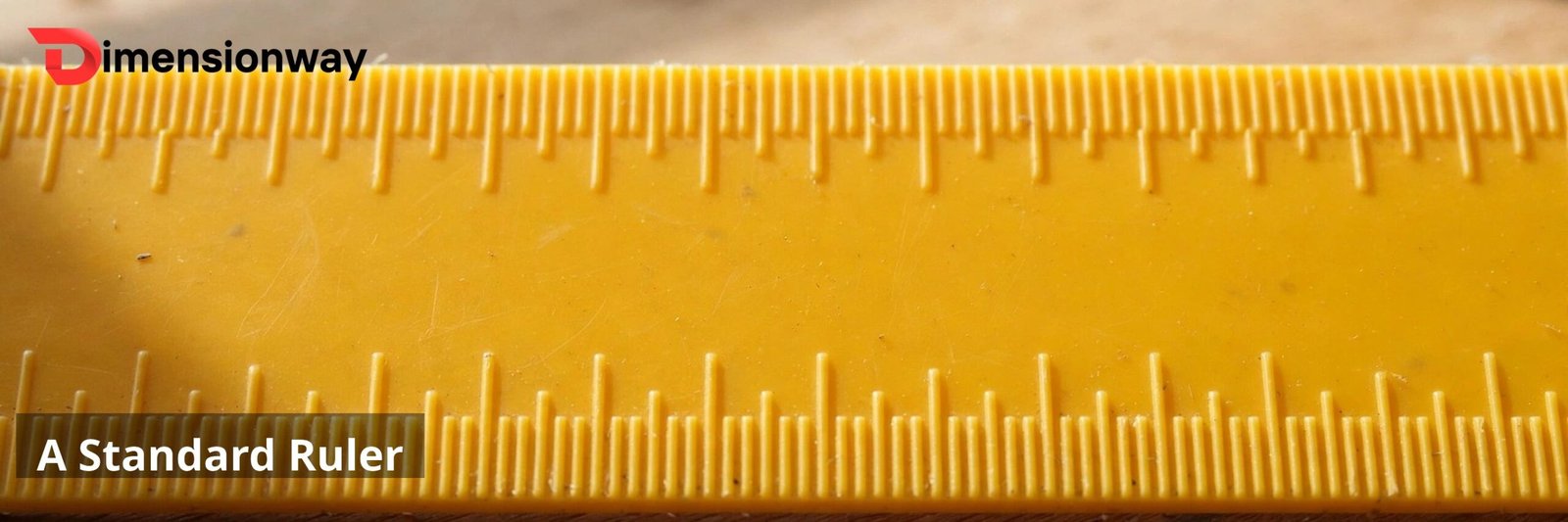
The single best way to picture one foot is the object that defines it in most people’s minds: the standard school ruler. The classic ruler you used in class is exactly 12 inches long, marked from 0 to 12, and that is no coincidence. School rulers are manufactured to the foot because the foot is the unit children learn first.
Pick up any standard ruler and you are holding one foot. It is rigid, straight, and marked in inches on one edge and centimeters on the other, which makes it a converter you can carry in a backpack. The ruler is also the reason so many adults can estimate a foot fairly well. Years of lining up that plastic edge against paper trained your hand to know where 12 inches ends. If every other comparison on this list fades from memory, this one will stay, because it is the reference you have actually touched the most.
2. A Vinyl LP Record
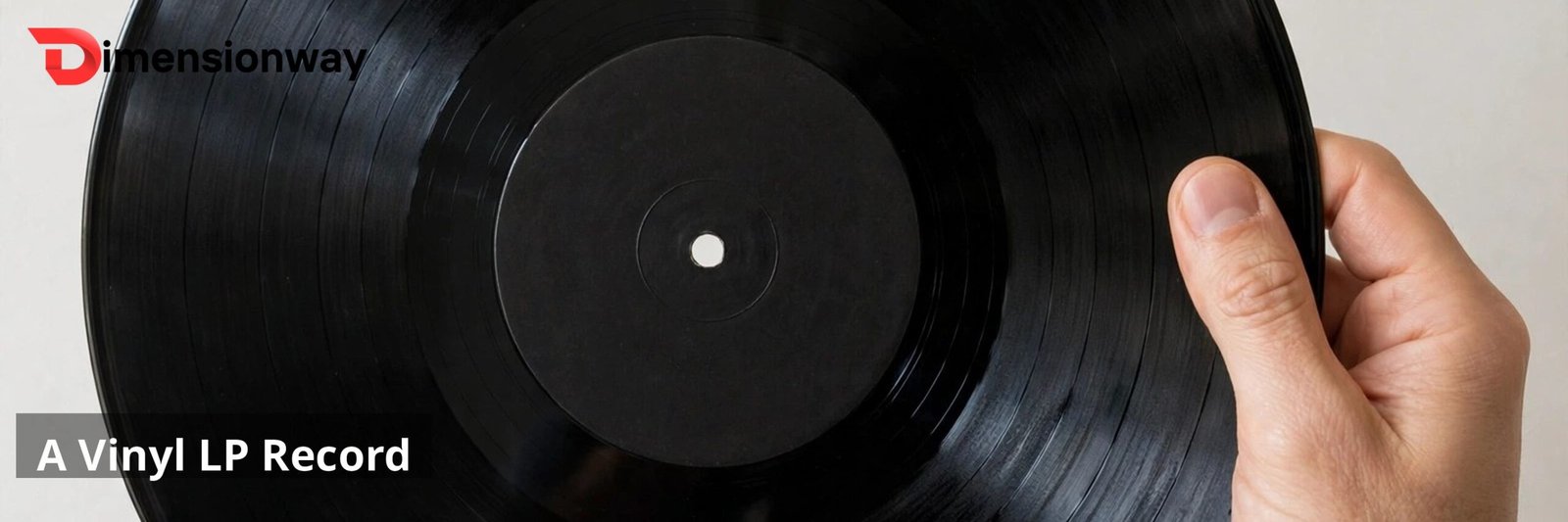
For a rounder comparison, look at a vinyl LP record. A standard long play record measures exactly 12 inches in diameter. Hold one by its edges and the distance straight across the disc is one foot.
This is a satisfying match because it shows the foot working as a diameter, not just a straight length. The 12 inch LP became the standard album format in the late 1940s, and it has stayed that size through every vinyl revival since. The record sleeve is slightly larger, about 12.375 inches square, so if you measure the sleeve you will overshoot by a little more than a third of an inch. Measure the disc itself, though, and you get exactly one foot. If you own records, you own a stack of perfect foot references. Two records side by side span two feet, and three span a yard.
3. A 12-Inch Pizza
Dinner gives you another exact match. A 12-inch pizza measures 12 inches across its diameter, which is one foot from crust edge to crust edge. When a menu says small or medium and lists 12 inches, it is selling you a foot of pizza.
This is one of the most useful kitchen references because pizzas are sold by diameter, so the number on the menu is the measurement itself. A 12-inch pizza is a common medium size, big enough for two to three people. It also gives you a scaling trick: a 16-inch large pizza is one third wider, and an 18-inch extra large is half again as wide as your one-foot pizza. Next time a pizza box arrives, remember that the pizza inside is a foot across, and you will never need to guess what a foot looks like at the dinner table again.

4. A Footlong Sandwich
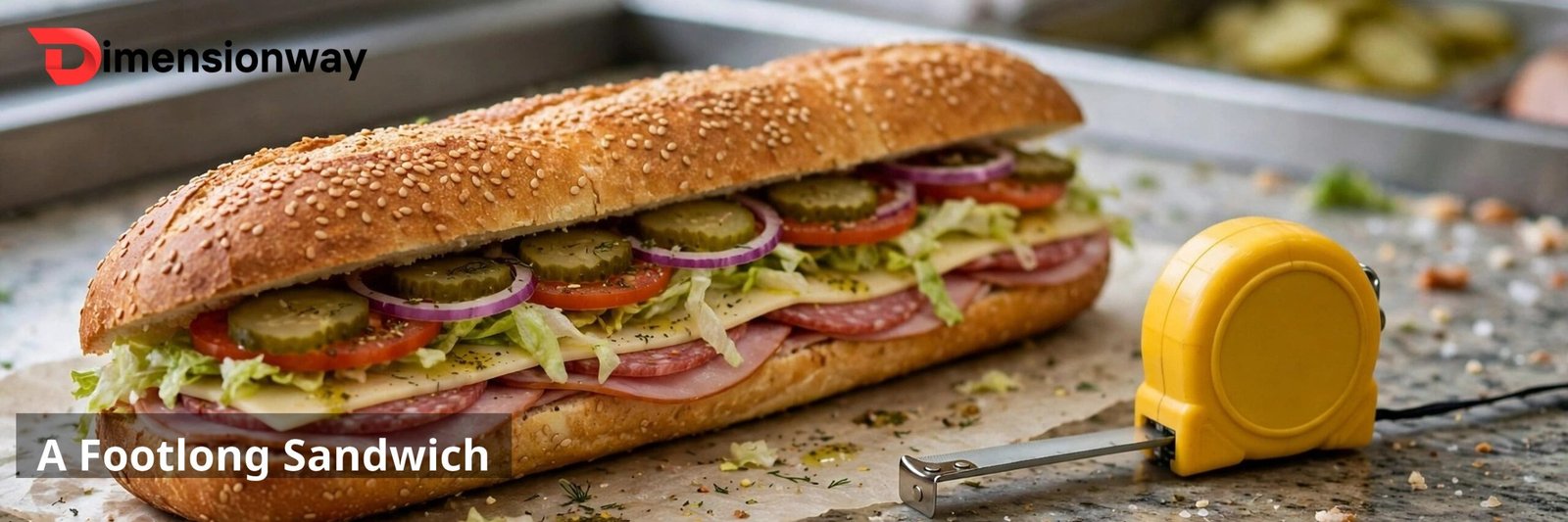
The most famous foot in fast food is the footlong sandwich, sold as 12 inches long. The name itself promises one foot of sandwich, and that promise once made national news.
In 2013, a customer in Australia photographed his footlong next to a tape measure and found it measured only 11 inches. The photo went viral, newspapers measured sandwiches in New York and found several at 11 or 11.5 inches, and the story ended in a class action settlement in which the chain agreed to take steps to make sure its footlongs baked out to a full 12 inches. The lesson is honest and useful: a footlong is designed to be one foot, but bread is baked fresh and shrinks slightly, so an individual sandwich can come up a little short. Treat the footlong as a marketed foot, not a guaranteed one, and you will have the most delicious comparison on this list.
5. A Sheet of Construction Paper
Art class gives you another exact match. A standard sheet of construction paper measures 12 inches wide by 18 inches long. The short side is exactly one foot.
This is a handy reference because construction paper is everywhere in schools, and its size is standardized. The 12-inch side is the width when the sheet sits in portrait orientation, the way you would hold it to draw. The 18-inch side is one and a half feet, which gives you a second reference for free: the long side is 50 percent longer than a foot. If you have children in school, you almost certainly have a stack of these sheets at home, and each one carries a foot on its short edge.

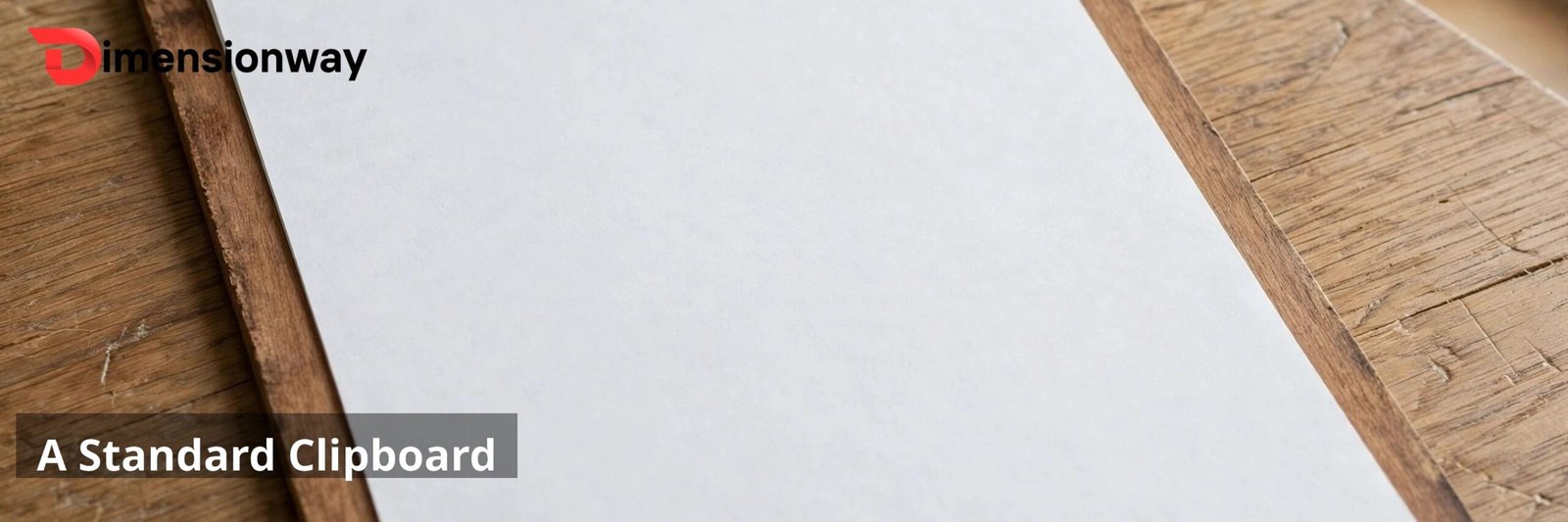
6. A Standard Clipboard
Office supplies hide another foot in plain sight. A standard clipboard measures about 9 inches wide by 12 inches long. The long side is exactly one foot.
The clipboard is sized this way for a reason: it has to hold a sheet of letter-size paper, which is 11 inches long, with a little room to spare for the clip at the top. That extra inch is why the board runs to 12 inches. Clipboards show up in classrooms, hospitals, warehouses, and on sports sidelines, so this is a reference most people have gripped without noticing. Pick one up and run your hand down its long edge. That edge is one foot, and the board’s job, holding an 11-inch sheet with an inch to spare, explains why.
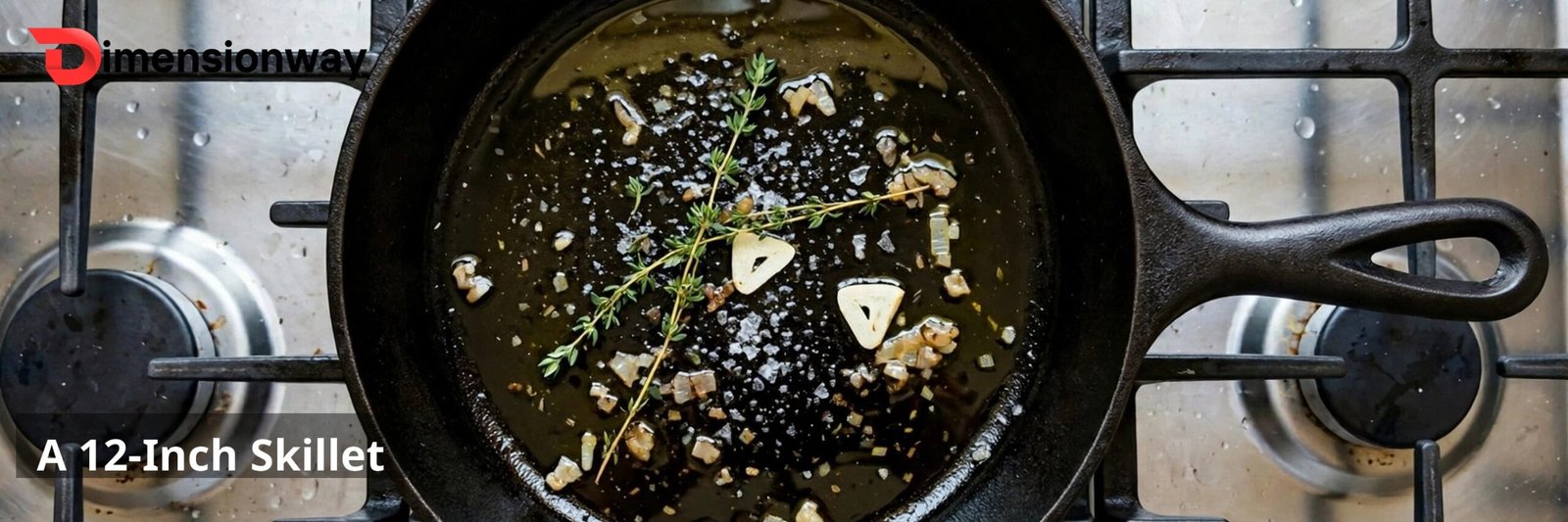
7. A 12-Inch Skillet
Cookware gives you a circular match to go with the pizza. A 12-inch skillet measures 12 inches across its top diameter, which is one foot from rim to rim. It is one of the most common pan sizes, large enough to cook for two to four people.
Skillet sizes are sold by diameter, so as with the pizza, the number on the box is the measurement. A 12-inch skillet is the workhorse of most kitchens, big enough for a family meal but still light enough to lift with one hand. Note that the measurement is the top opening, not the cooking surface at the bottom, which slopes inward and runs a couple of inches smaller. Measure across the rim and you have exactly one foot. If you cook, you lift a foot of iron every time you reach for this pan.
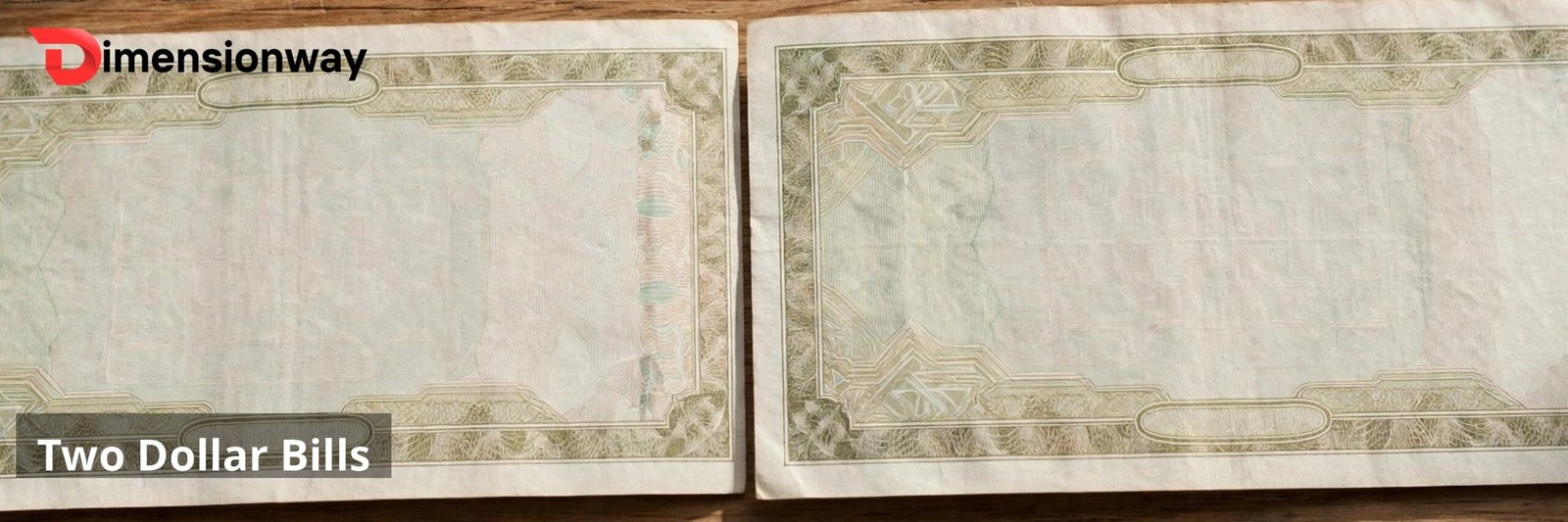
8. Two Dollar Bills End to End
Money gives you a clever near match. A United States dollar bill measures 6.14 inches long. Lay two of them end to end and they stretch 12.28 inches, which is just over a quarter of an inch longer than one foot.
This is a useful emergency ruler because dollar bills are identical in size no matter the denomination, and most people carry one. The small overshoot, 0.28 inches, is about the thickness of three stacked coins, small enough that for rough estimating it does not matter. It is also a good reminder of how the foot relates to everyday currency: a single bill is about half a foot, and two bills are about a foot. If you ever need to estimate a foot and have no ruler, two bills laid end to end will get you within a third of an inch.
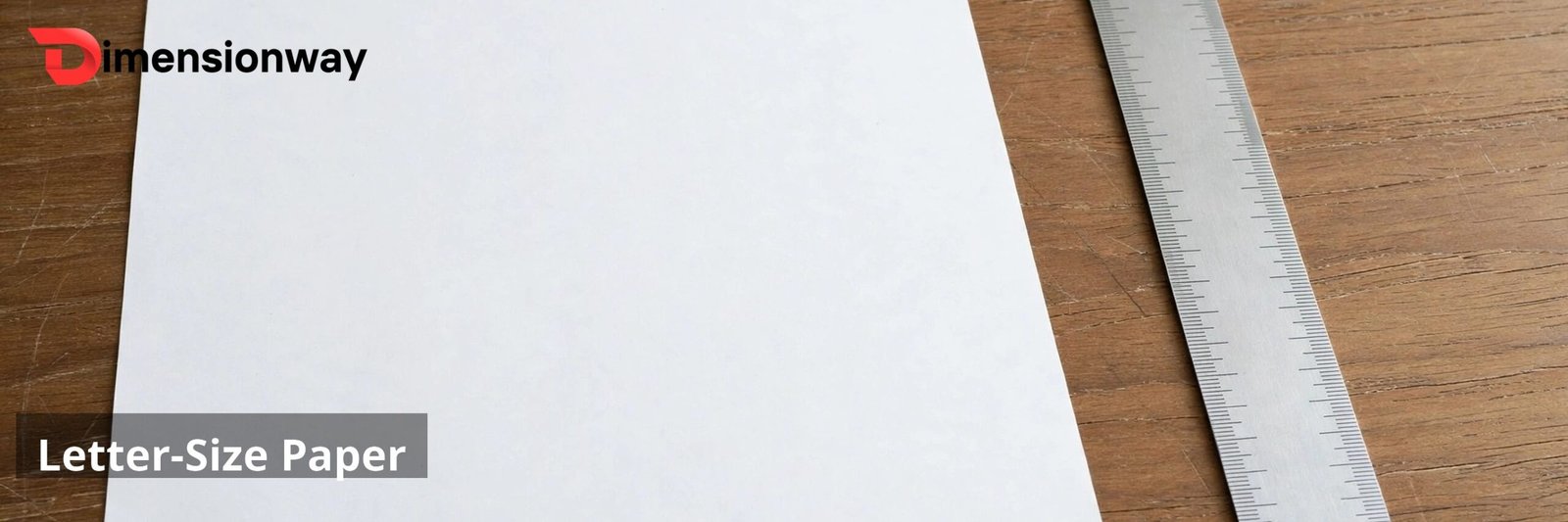
9. A Sheet of Letter-Size Paper
Here is the close call that fools the most people. A sheet of United States letter-size paper measures 8.5 inches wide by 11 inches long. The long side is one inch short of a foot.
This matters because letter paper is the most handled object in most offices, and many people assume it is a foot long. It is not. It misses by a full inch, which is easy to see once you know it: hold a ruler against the long edge and the ruler sticks out by one inch. The confusion is understandable, since the clipboard made to hold this paper is a foot long, and the paper inside it is not. Remember the pair together: the paper is 11 inches, the board holding it is 12, and the one-inch gap between them is the difference between a close call and an exact match.
10. A Sheet of A4 Paper
The international version of the same close call is A4 paper, the standard sheet used in most of the world outside the United States. An A4 sheet measures 210 by 297 millimeters, which is 8.27 by 11.69 inches. The long side is about a third of an inch short of a foot.
A4 is closer to a foot than letter paper is, missing by only 0.31 inches, roughly the width of a pencil. That makes it the best paper reference for estimating a foot, and in offices that use A4 it is the sheet people reach for. But it is still not a foot, and the gap is worth knowing: if you use an A4 sheet as a ruler for a foot-long cut, your cut will come up a third of an inch short. For rough visualizing, A4 is excellent. For exact work, reach for the ruler instead.
The 10 Comparisons at a Glance
| Comparison | Measurement | How It Relates to 1 Foot |
|---|---|---|
| Standard school ruler | 12 in | Exact |
| Vinyl LP record | 12 in diameter | Exact |
| 12-inch pizza | 12 in diameter | Exact |
| Footlong sandwich | Marketed as 12 in | Designed exact, can bake short |
| Construction paper | 12 in wide | Exact on the short side |
| Standard clipboard | 12 in long | Exact on the long side |
| 12-inch skillet | 12 in diameter | Exact across the rim |
| Two dollar bills end to end | 12.28 in | About 0.28 in over |
| Letter-size paper | 11 in long | 1 in short |
| A4 paper | 11.69 in long | About 0.31 in short |
1 Foot Compared to Nearby Lengths
One foot sits at a useful middle point. It is twice as long as a small object you can hold in one hand, and a small fraction of the lengths that describe rooms and buildings. This table puts it in context.
| Object or Length | Measurement | Compared to 1 Foot |
|---|---|---|
| Dollar bill | 6.14 in | About half a foot |
| Standard ceiling | 8 ft | 8 times a foot |
| Average adult man | 5 ft 9 in | About 5.75 feet |
| 1 foot | 12 in | The reference itself |
| 2 feet | 24 in | Exactly double |
| 3 feet | 36 in | Exactly triple |
| 1 yard | 36 in | Exactly triple |
| 1 meter | 39.37 in | About 3.28 feet |
| 10 feet | 120 in | Exactly 10 feet |
| 20 feet | 240 in | Exactly 20 feet |
Exact Matches vs Close Calls
The most useful lesson in this guide is the difference between objects that are truly one foot and objects that only look like it. Keep this table in mind and you will stop being fooled by near misses.
| Object | Measurement | Verdict |
|---|---|---|
| Standard ruler | 12 in | Exact |
| LP record | 12 in diameter | Exact |
| 12-inch pizza | 12 in diameter | Exact |
| Construction paper width | 12 in | Exact |
| Clipboard length | 12 in | Exact |
| Skillet rim | 12 in diameter | Exact |
| Footlong sandwich | Marketed 12 in | Usually close, sometimes short |
| 30 cm ruler | 11.81 in | About 0.19 in short |
| A4 paper length | 11.69 in | About 0.31 in short |
| Two dollar bills | 12.28 in | About 0.28 in over |
| Letter paper length | 11 in | A full inch short |
| Average adult male foot | About 10.5 in | About 1.5 in short |
How to Picture 1 Foot Without a Ruler
You do not need a ruler to use one foot. Pick the trick that matches what you have on hand. In a kitchen, think of a 12-inch pizza or skillet. At a desk, think of a clipboard or a sheet of construction paper. In your wallet, lay two dollar bills end to end and accept the quarter-inch overshoot.
Your own body gives you a surprisingly good reference too. For most adults, the distance from the wrist to the elbow, the forearm, measures roughly 11.5 to 12.5 inches. Lay your forearm along a surface and you are marking about a foot. It is not exact, since forearms vary, but it is always with you, and it is far better than guessing blind.
Try it as a worked example. Suppose you want to know whether a bookshelf is one foot deep. Lay your forearm across the shelf from front to back. If the shelf ends near your elbow, it is about a foot deep. If it runs well past your elbow, it is deeper. The same trick works with dollar bills: two bills laid end to end across the shelf will tell you within a third of an inch. These tricks will not replace a ruler for building work, but they will keep you from guessing wildly, which is the whole point of learning a measurement by eye.
Why a Foot Is Called a Foot
The foot is named after the human foot, and the name is a clue to its history. Long before standardized rulers, people measured with their bodies: a foot was roughly the length of a man’s foot. The problem was that feet vary, so the average adult male foot today measures about 10.5 inches, a full inch and a half short of the modern foot, and the average adult female foot measures about 9.5 inches.
Early English standards tried to pin the unit down, famously defining the inch as three barleycorns laid end to end. The system stayed messy for centuries until the International Yard and Pound Agreement of 1959 fixed the inch at exactly 25.4 millimeters, which made the foot exactly 304.8 millimeters. So the foot you use today is a body-based idea refined into an exact standard: it started as a rough human measure and ended as one of the most precisely defined units in everyday life.
Common Questions About 1 Foot
How many inches are in 1 foot?
There are exactly 12 inches in 1 foot. Multiply feet by 12 to convert, so 1 times 12 is 12.
How many centimeters is 1 foot?
One foot is exactly 30.48 centimeters. Multiply feet by 30.48, so 1 times 30.48 gives 30.48 centimeters.
How many meters is 1 foot?
One foot is 0.3048 meters. Divide the centimeter figure by 100, so 30.48 centimeters becomes 0.3048 meters.
Why is it called a foot?
It is named after the human foot, which was the original measuring tool. Early measurements used the length of a man’s foot, and the name stuck even after the unit was standardized to exactly 12 inches in 1959.
Is a Subway footlong really 12 inches?
It is designed to be 12 inches, but individual sandwiches can bake out a little short. In 2013 a customer measured one at 11 inches, which led to a settlement in which the chain agreed to take steps to make footlongs a full 12 inches. Treat it as a marketed foot, not a guaranteed one.
What objects are exactly 1 foot long?
A standard school ruler, a vinyl LP record’s diameter, a 12-inch pizza’s diameter, the short side of construction paper, the long side of a standard clipboard, and the rim diameter of a 12-inch skillet are all exactly one foot.
Is a sheet of letter paper 1 foot long?
No. Letter-size paper is 11 inches long, a full inch short of a foot. The clipboard made to hold it is 12 inches long, which is where the confusion usually comes from.
How many feet are in a yard?
There are exactly 3 feet in 1 yard. A yard is 36 inches, and 36 divided by 12 is 3.
How can I picture 1 foot without a ruler?
Use your forearm, which measures about 11.5 to 12.5 inches from wrist to elbow for most adults. Or lay two dollar bills end to end for 12.28 inches, just over a quarter inch longer than a foot.
Is 30 centimeters the same as 1 foot?
No, but it is close. Thirty centimeters is 11.81 inches, about 0.19 inches short of a foot. For rough estimating it works, but for exact work the gap matters.
Why 1 Foot Feels So Familiar
One foot feels familiar because it is the first measurement most people ever truly learn. You held it in school, you see it on menus and in kitchens, and you carry near matches in your wallet and on your own arm. Unlike larger units that need imagination, a foot fits in your hand, and that is why it is the building block for everything else: two feet, three feet, a yard, ten feet, and beyond all start with this one length.
Learning to see one foot precisely also teaches you something larger, which is to distrust round numbers that look right. Letter paper looks like a foot and is not. A footlong is sold as a foot and sometimes is not. A 30 centimeter ruler looks like a foot and misses by a fifth of an inch. Knowing the exact matches from the close calls is the skill that makes every other measurement you estimate more trustworthy.
Related Reading
If this guide helped one foot click, these DimensionWay guides use the same visual approach for nearby sizes: How Long Is 3 Feet?, How Long Is 10 Feet?, How Long Is 20 Feet?, How Long Is 100 Feet?, How Long Is 1000 Feet?, How Tall Is 12 Feet?, How Far Is 300 Feet?, and What Does 6 Inches Look Like?.
Sources
- Wikipedia
- National Institute of Standards and Technology
- U.S. Bureau of Engraving and Printing
- Recording Industry Association of America
- International Organization for Standardization
- Encyclopaedia Britannica

James Carter is the founder and editor of DimensionWay, where he researches, measures, and verifies real-world dimensions, from everyday objects to world-famous landmarks. Every number published on DimensionWay is cross-checked against manufacturer specifications and official sources, so readers always get accurate, easy-to-visualize comparisons.
