You are scrolling apartment listings and the number keeps showing up: 1,000 sq ft. It sounds like a lot after the studios you have seen, but is it actually roomy? Can a family fit, or will you still be bumping elbows in the kitchen?
One thousand square feet is the classic American two-bedroom apartment. It is the size young couples upgrade to, small families settle into, and roommates split without drama. Once you can picture it, every listing starts making sense.
This guide gives you the exact conversions, two handy comparison tables, and 8 everyday visualizations that turn 1,000 square feet from an abstract number into a space you can feel. You will also get a realistic two-bedroom floor plan breakdown and furniture tips that actually fit.
What Does 1000 Square Feet Look Like?
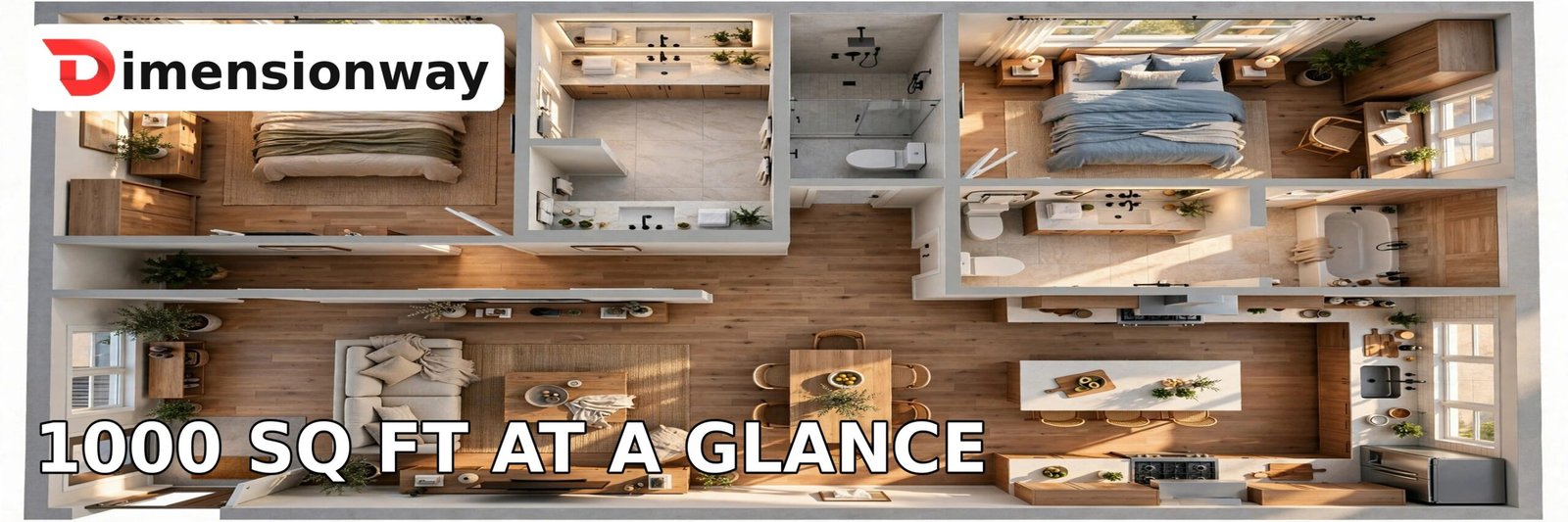
One thousand square feet is the floor area of a typical two-bedroom apartment. Picture a square about 31.62 feet on each side, or a rectangle 25 feet wide and 40 feet long, and you have it exactly.
The exact numbers: 1,000 square feet equals 92.90 square meters, 111.11 square yards, 144,000 square inches, and about 0.023 acres. The average American two-bedroom apartment runs 800 to 1,200 square feet, so 1,000 lands right in the comfortable middle.
Why does this number matter? Because it is the size where an apartment stops feeling like a compromise. At 1,000 square feet you get real bedrooms with doors that close, a kitchen you can cook in, and space for actual furniture. Learn to see it clearly and you will know instantly whether a listing fits your life.
1000 Square Feet by the Numbers
Use these tables to convert 1,000 square feet into other units and to see where it sits among common apartment sizes.
1000 Square Feet in Other Units
| Unit | 1000 Square Feet Equals |
|---|---|
| Square meters | 92.90 sq m |
| Square yards | 111.11 sq yd |
| Square inches | 144,000 sq in |
| Square centimeters | 9,290,304 sq cm |
| Acres | 0.023 acres |
1000 Square Feet vs Common Apartment Sizes
| Home Type | Typical Size | 1000 Sq Ft Is… |
|---|---|---|
| Micro studio | 250-350 sq ft | About three times bigger |
| Average US studio | About 504 sq ft | About double |
| 500 sq ft apartment | 500 sq ft | Exactly double |
| Small one-bedroom | 600-750 sq ft | Bigger |
| Average one-bedroom | 750-900 sq ft | A bit bigger |
| Average two-bedroom | 900-1,200 sq ft | Right in the middle |
| Average three-bedroom | 1,200-1,500 sq ft | A bit smaller |
| Average new US single-family home | About 2,300 sq ft | Less than half |
8 Everyday Comparisons That Make 1000 Square Feet Click
1. A Typical Two-Bedroom Apartment
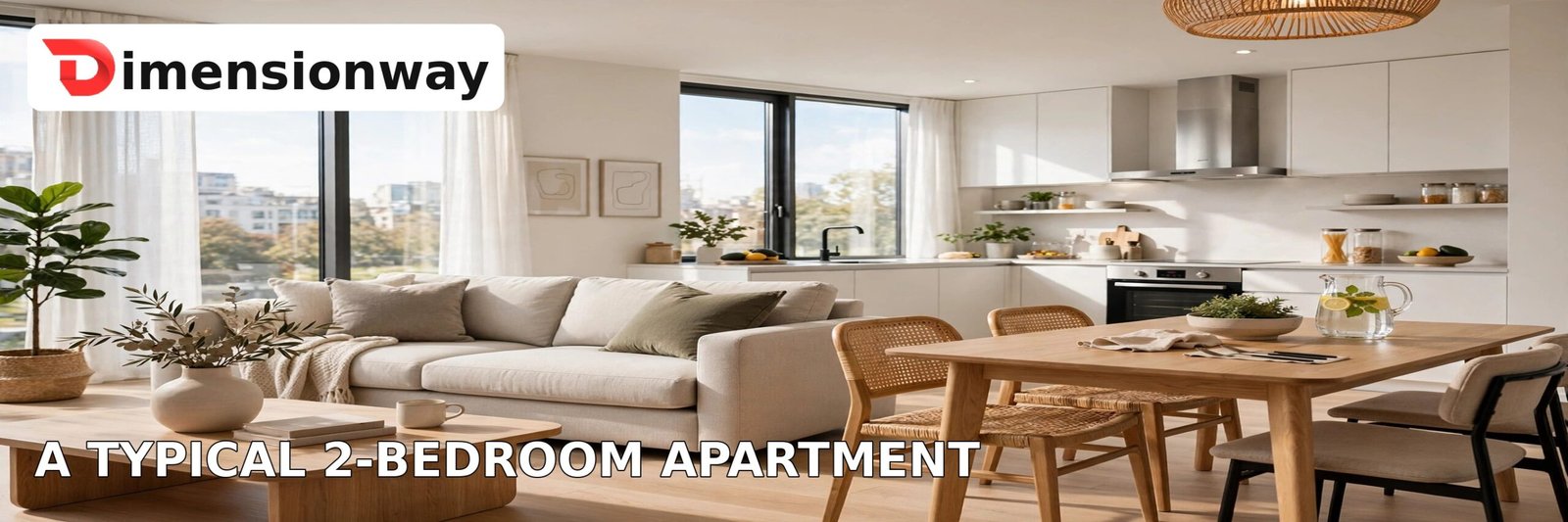
This is the comparison that matters most, because it is the literal truth. Two-bedroom apartments in the United States typically run 800 to 1,200 square feet, which puts 1,000 square feet right in the sweet spot. When a listing says “1,000 sq ft, 2 bed / 2 bath,” it means two real bedrooms, a living room you can stretch out in, a proper kitchen, and bathrooms you do not have to schedule around.
Walk through one and the space reads as genuinely comfortable: a primary bedroom that fits a king bed, a second bedroom for kids, guests, or an office, and common areas with room for a full sofa, a dining table, and storage that does not require creativity.
The detail renters learn fast: 1,000 square feet includes everything, hallways and closets included. The rooms you actually live in usually add up to 800 to 850 square feet, with the rest going to circulation and storage. That is still plenty, but it explains why two 1,000-square-foot apartments can feel so different.
2. Two and a Half Two-Car Garages
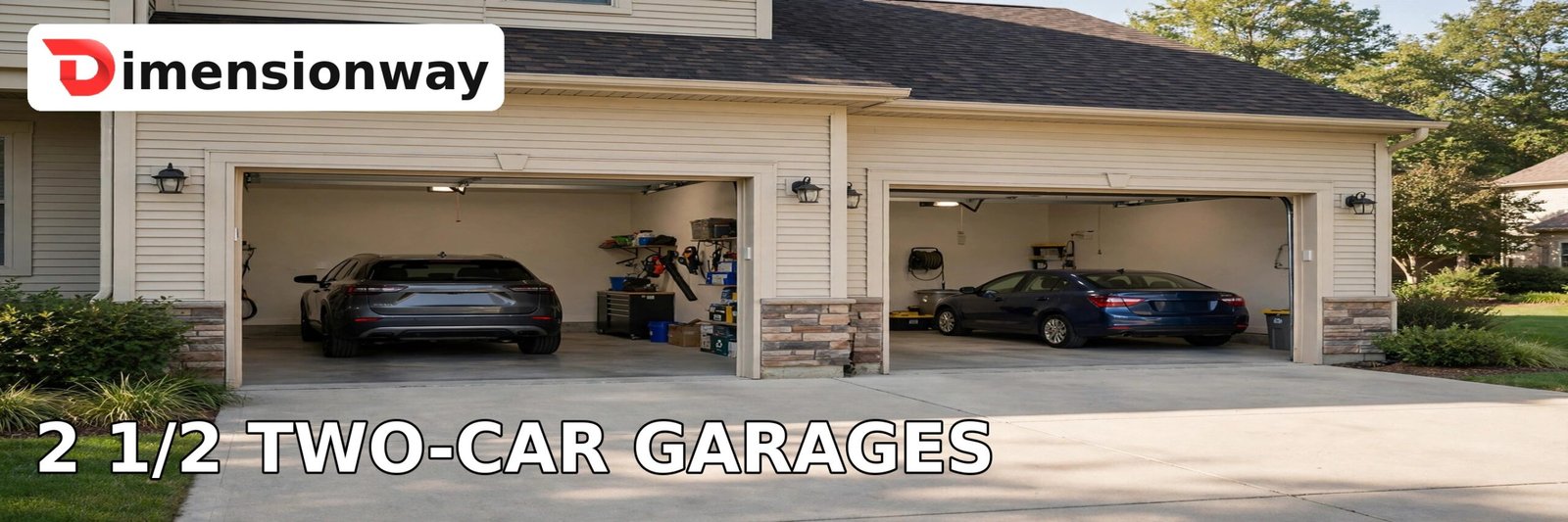
A standard two-car garage measures about 20 by 20 feet, which is 400 square feet. Line up two and a half of them and you land on 1,000 square feet exactly. Picture a suburban street with three garage doors, then erase half of the third one. That is your apartment.
Garages make the size click because they are big, empty, familiar boxes. Most people have stood inside one and felt how much floor it holds. Two and a half of those boxes is a surprising amount of space, which is exactly why first-time renters consistently underestimate 1,000 square feet on paper and then feel relieved when they walk in.
The perspective flip is worth noting. Your entire two-bedroom home, with all its walls and furniture, occupies the same footprint as the place your neighbors park five cars. It is a good reminder that walls and layout do as much work as raw area.
3. Half a Singles Tennis Court
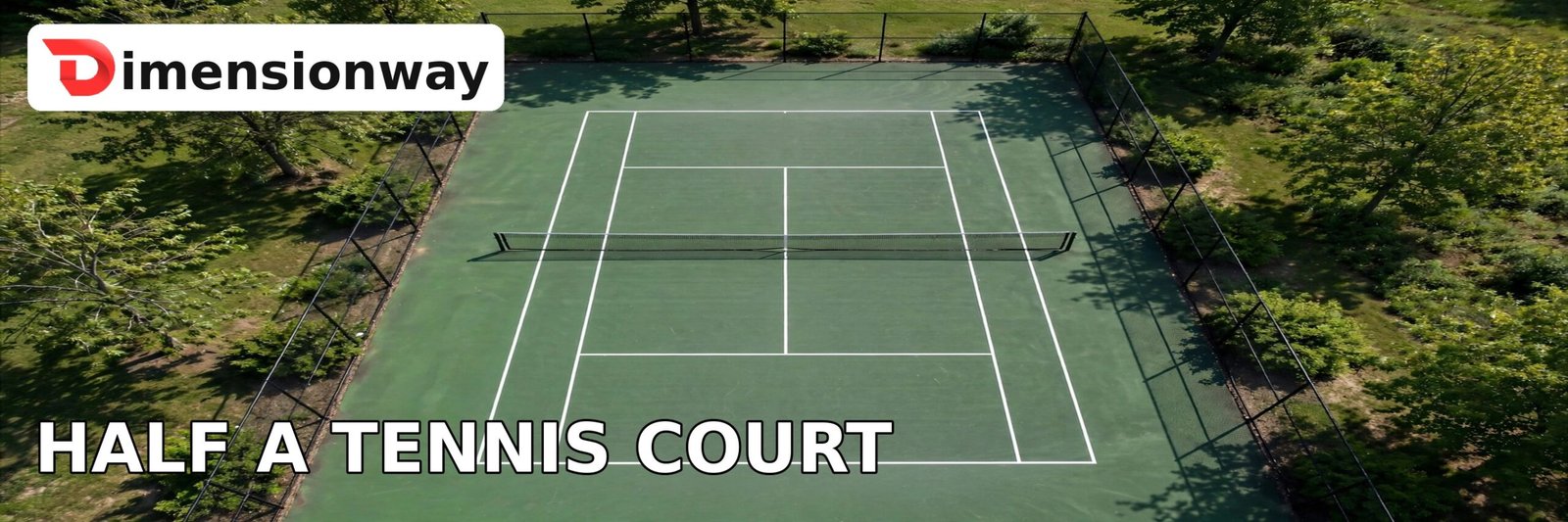
A regulation singles tennis court measures 78 by 27 feet, which works out to 2,106 square feet. Cut it in half and you get about 1,053 square feet, just a shade over 1,000. Stand on one baseline, look at the net, and everything you see is roughly your apartment.
Tennis courts are brilliant for this because they are such precise, universal rectangles. Anyone who has watched a match knows the shape by heart, and halving it is effortless. One half of the court, net to baseline, is a two-bedroom apartment.
Here is the part that surprises people: a tennis half feels huge when you are chasing a ball across it, yet that same area holds a whole home. The difference is walls. Open space always reads bigger than divided space, which is why open-plan 1,000-square-foot apartments feel so much larger than chopped-up ones.
4. Baseline to Foul Line on an NBA Court
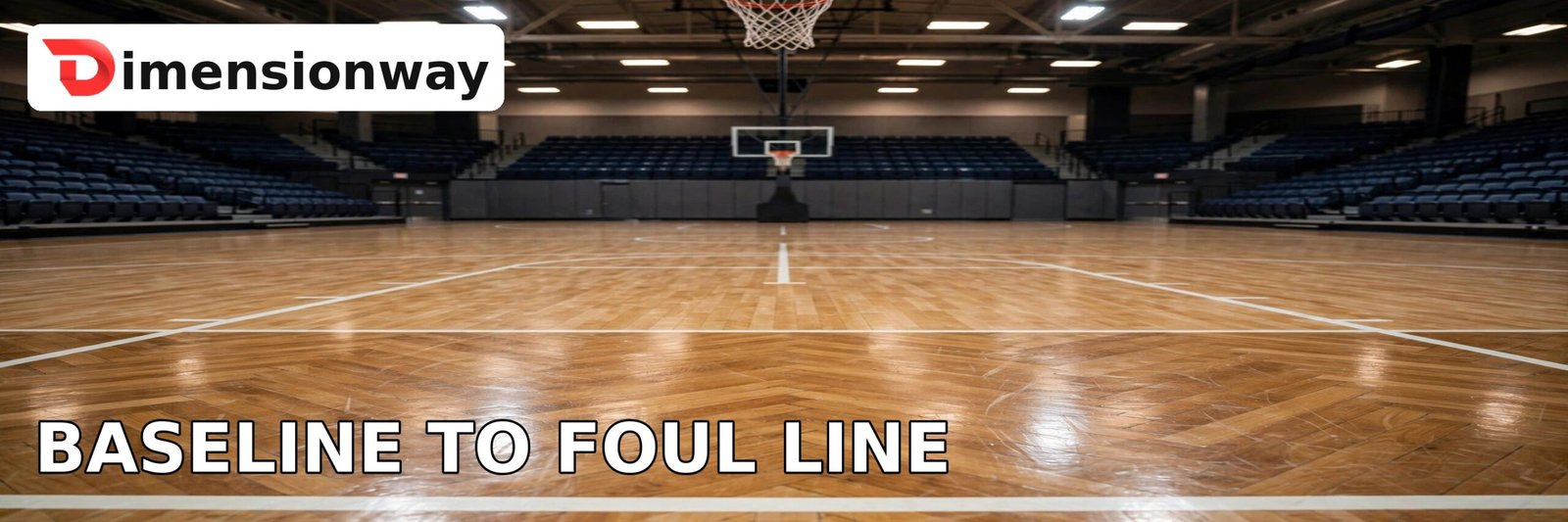
An NBA court is 50 feet wide, and the free-throw line sits 19 feet from the baseline. Multiply 50 by 19 and you get 950 square feet, just 50 short of 1,000. The rectangle from the basket to the foul line, the painted key plus the corners, is almost exactly your apartment.
This one works because basketball courts are everywhere in American life: school gyms, parks, driveways. You have stood at a free-throw line. You know that distance in your body. Now imagine walls rising around that rectangle and furniture filling it.
The fun detail: an NBA team spreads five players across 4,700 square feet, about 940 each. Your 1,000 square feet for one or two people is downright generous by basketball standards. You have more personal space than a shooting guard gets on the floor.
5. Five In-Ground Swimming Pools
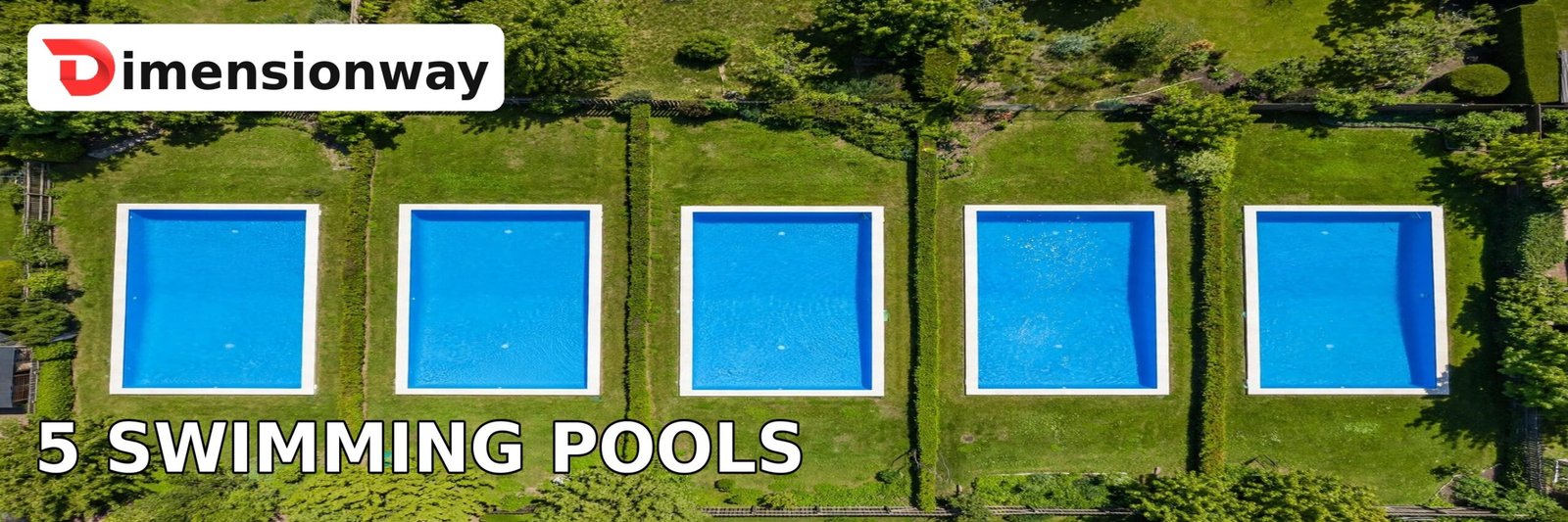
An average rectangular in-ground swimming pool covers about 200 square feet of water. Line up five of them side by side and you hit 1,000 square feet on the nose. Picture a neighborhood seen from above, five backyard pools in a row, and the blue water adds up to your home.
Pools are a great mental ruler because they are all roughly the same size and everyone has seen one. Five pools sounds like a resort, not an apartment, which is the point. One thousand square feet is more area than it sounds like.
The math is unusually clean here. No “about” or “roughly” needed: five times 200 is 1,000. When a comparison lands exactly, it sticks in memory, and this is the one to pull out when someone asks you to describe your place at a party.
6. Twenty-Four King-Size Beds

A standard king-size bed measures 76 by 80 inches, about 42.2 square feet. Lay 24 of them in a grid with no gaps and they cover roughly 1,013 square feet, essentially 1,000. Picture a mattress warehouse floor and you are picturing your apartment.
Beds work as a ruler because everyone knows how big a bed feels from the inside. Twenty-four kings is a small hotel’s worth of sleeping space, which reframes the number fast. Your apartment could, in the most absurd technical sense, sleep 48 people.
The practical read matters more than the joke. Your bed eats about 4 percent of a 1,000-square-foot apartment, half the share it takes in a 500-square-foot studio. That is the real luxury of this size: the big pieces stop dominating the floor plan.
7. A 25 by 40 Foot Rectangle
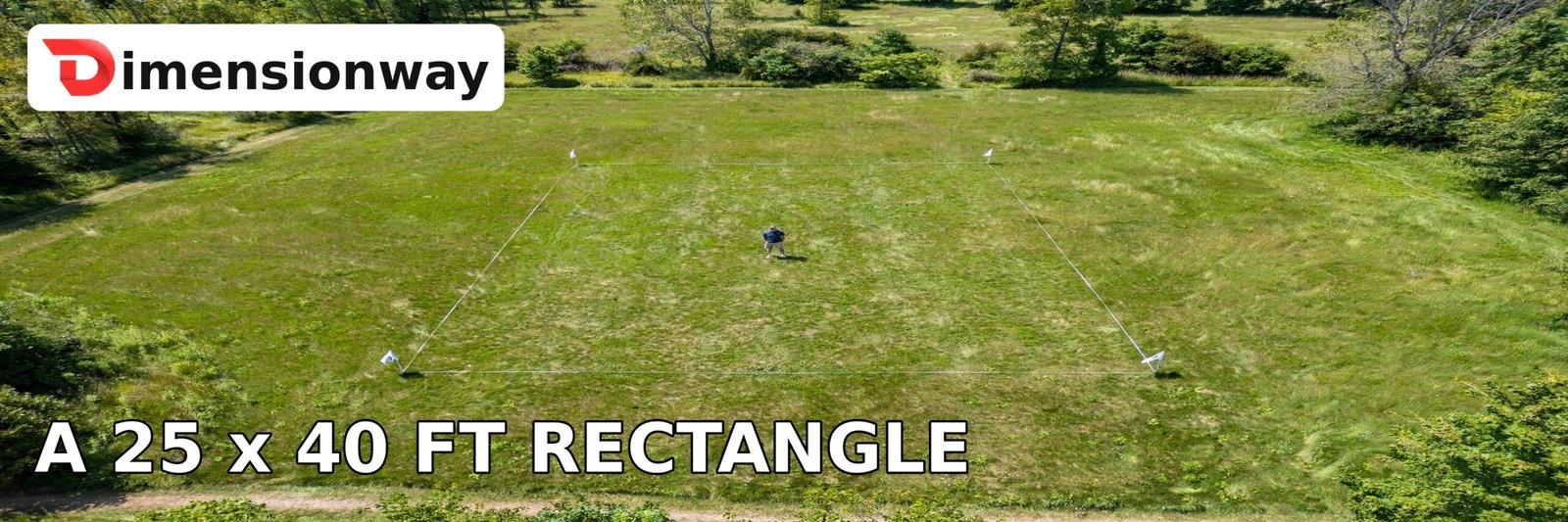
Sometimes the most honest comparison is the math itself. A rectangle 25 feet wide and 40 feet long multiplies to exactly 1,000 square feet, with no rounding anywhere. Twenty-five times forty is one thousand, full stop.
Picture it as a space: 25 feet is about four king-size beds laid end to end, and 40 feet is about two city buses parked bumper to bumper. Put those together and you have the footprint behind countless 1,000-square-foot listings.
Try it in a park if you get the chance. Pace out 25 feet one way and 40 the other, mark the corners with bags or shoes, and stand in the middle. Two minutes, and the number turns into a place you have actually stood inside.
8. Three Standard Hotel Rooms

A standard hotel room runs 300 to 450 square feet including the bathroom. Take three of them, knock down the walls between, and you have roughly 1,000 to 1,200 square feet. Your apartment is a little suite of three hotel rooms fused into one home.
This comparison lands because almost everyone has slept in a hotel room and knows exactly how it feels. Three of those, opened up into a single flowing space with a real kitchen added, is a genuinely comfortable home. It also explains why 1,000 square feet handles guests so well: you are basically giving them their own hotel room.
The design lesson hotels teach: they make 350 square feet feel complete with a bed, a desk, a bathroom, and zero wasted corners. Your apartment has nearly triple that. Borrow the hotel mindset, give everything a zone, and 1,000 square feet never feels small.
What Fits in 1000 Square Feet? A Realistic Two-Bedroom Layout
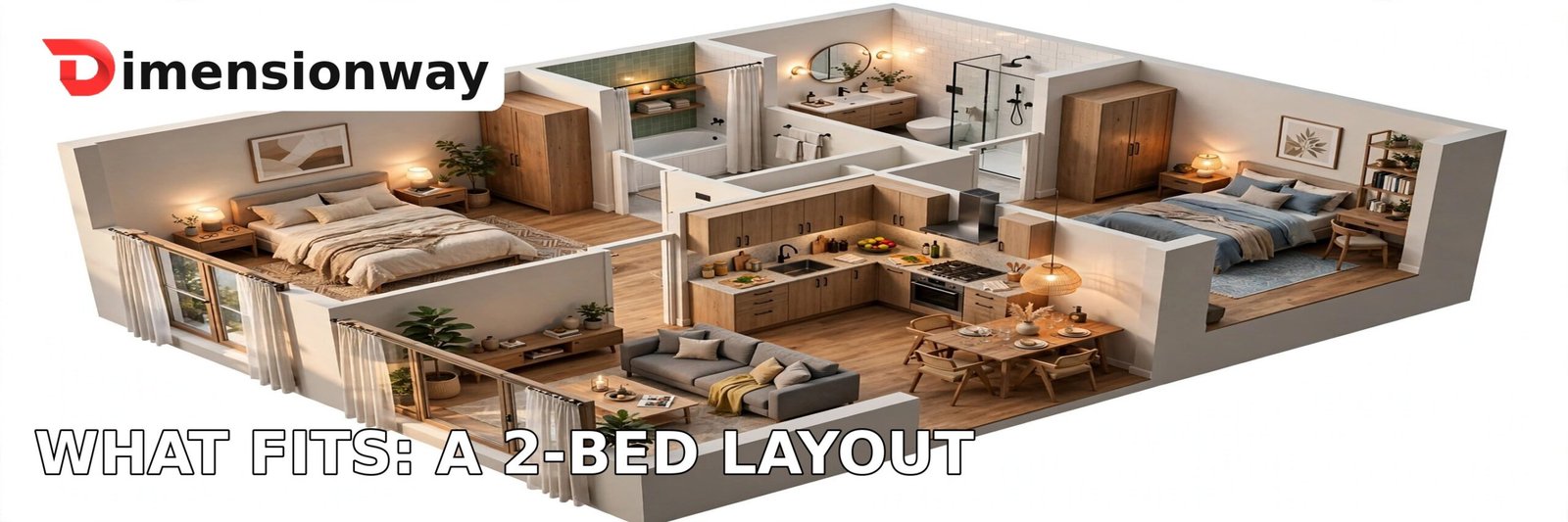
Comparisons tell you the size. A floor plan tells you where the sofa goes. Here is how 1,000 square feet typically breaks down in a two-bedroom layout, using standard room dimensions:
| Room | Typical Dimensions | Area |
|---|---|---|
| Primary bedroom | 12 x 14 ft | 168 sq ft |
| Second bedroom | 11 x 12 ft | 132 sq ft |
| Living room | 14 x 16 ft | 224 sq ft |
| Kitchen | 10 x 12 ft | 120 sq ft |
| Dining area | 8 x 10 ft | 80 sq ft |
| Two bathrooms | 5 x 8 ft each | 80 sq ft |
| Hallway, closets, laundry | varies | About 196 sq ft |
| Total | 1,000 sq ft |
That is a genuine two-bedroom, not a sketch. The primary bedroom holds a king bed (76 by 80 inches), two nightstands, and a dresser. The second bedroom fits a queen bed plus a desk, which is why it doubles so well as a home office. The living room takes a full sectional, a coffee table, a TV console, and a bookshelf without crowding.
Three rules make 1,000 square feet feel bigger than it is. First, keep the sightlines open: an open kitchen-to-living layout can make the common areas feel 30 percent larger than the same square footage chopped into separate rooms. Second, let the second bedroom earn its keep as an office, gym, or guest room rather than a storage unit with a door. Third, use the walls: floor-to-ceiling shelving and wall-mounted storage keep the floor clear, and clear floors read as spacious.
Still deciding whether your furniture fits before you sign? Sketch the rooms to scale, or map them digitally with our free Room Size Visualizer, which lets you draw any room’s dimensions and test layouts before moving day.
How to Visualize 1000 Square Feet in Everyday Life
No tape measure needed. A few fast tricks work anywhere.
Count the pools. Five average in-ground pools side by side is 1,000 square feet exactly. You now carry a perfect 1,000-square-foot ruler past every suburban backyard.
Halve the tennis court. One half of a singles court is about 1,053 square feet. If you play, you have been standing inside your apartment’s footprint for years.
Think in hotel rooms. Three standard hotel rooms fused together is roughly your apartment. If a hotel room ever felt fine for a week, imagine three of them as home.
Double the studio. Our guide to how big 500 square feet is covers the classic studio in detail. Two of those, put together, is 1,000 square feet. If you have lived in a studio, you already know exactly half of this size.
Pace the rectangle. Twenty-five feet by 40 feet, marked with shoes in a park. Two minutes, and the number becomes a place.
FAQs
How many square meters is 1000 square feet?
1,000 square feet equals 92.90 square meters. The conversion factor is 1 square foot = 0.092903 square meters, so multiply 1,000 by 0.092903 to get 92.903, usually rounded to 92.90.
Is 1000 square feet big for an apartment?
It is medium by national standards and right in the classic two-bedroom range. In New York City it feels like a luxury, while in suburban Texas it reads as modest. For most renters it is the sweet spot: big enough for distinct rooms and real furniture, small enough to clean on a Saturday morning.
What are the dimensions of 1000 square feet?
The cleanest footprint is 25 by 40 feet, which multiplies to exactly 1,000. A 20 by 50 foot rectangle works too, and as a perfect square it would be about 31.62 feet per side. Real apartments split the area across rooms, so your 1,000 square feet is usually two bedrooms, living areas, kitchen, baths, and hallway.
How many bedrooms fit in 1000 square feet?
Two comfortable bedrooms is the standard layout, often with two bathrooms. Some 1,000-square-foot units are large one-bedrooms with a den or oversized living areas instead. Either way, there is room for a dedicated sleeping space plus a home office, which is why this size became the remote-work favorite.
Can a family of four live in 1000 square feet?
Yes, and millions do. Two parents and two kids fit a standard two-bedroom layout, with the living room doubling as play space. Renters on forums consistently say the layout matters more than the number: an open plan with good storage works, while a chopped-up plan with long hallways feels tight.
How big is 1000 square feet compared to a house?
A typical new American single-family home is about 2,300 square feet, so 1,000 square feet is roughly 43 percent of that, a little less than half. Your entire apartment would fit inside the average home’s bedrooms and living room combined.
Does 1000 square feet fit a king-size bed?
Easily. A king bed is 76 by 80 inches, about 42 square feet, which is only 4 percent of 1,000 square feet. A standard 12 by 14 foot primary bedroom (168 sq ft) holds a king bed, two nightstands, a dresser, and walking space with room to spare.
How many square yards is 1000 square feet?
1,000 square feet equals 111.11 square yards. Since one square yard is 9 square feet, divide 1,000 by 9 to get 111.11.
What is 1000 square feet in acres?
1,000 square feet equals about 0.023 acres. An acre is 43,560 square feet, so divide 1,000 by 43,560. It is a little over two-hundredths of an acre.
How do you calculate square footage?
Measure the length and width of each room in feet, multiply them, and add up all the rooms. For example, a 12 by 14 foot bedroom is 168 square feet. Do this room by room, including closets, bathrooms, and hallways, and the total is your apartment’s square footage.
Conclusion
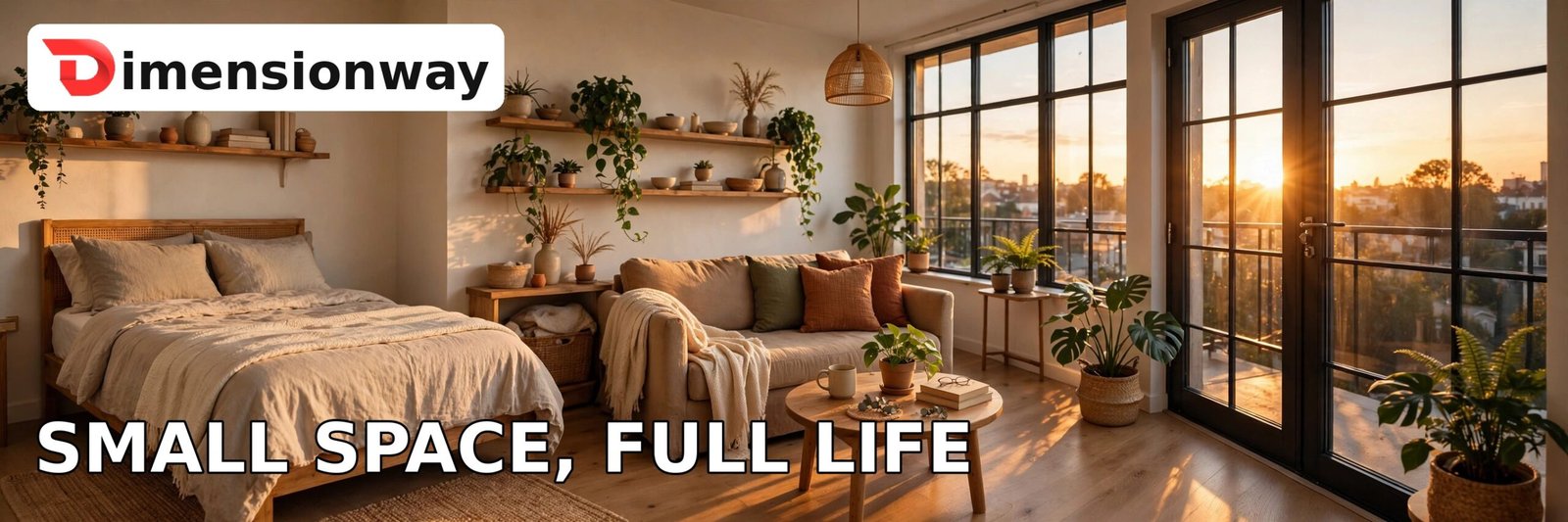
One thousand square feet is 92.90 square meters, a 25 by 40 foot rectangle, and the classic American two-bedroom apartment. It is two and a half two-car garages, half a tennis court, five swimming pools, and twenty-four king-size beds. It holds two real bedrooms, a living room with space to stretch out, and a kitchen you can actually cook in. The next time a listing says 1,000 sq ft, you will not see a number. You will see home.
Related Reading
- Room Size Visualizer: draw any room to scale and test whether your furniture fits before moving day.
- How Big Is 500 Square Feet? 8 Examples, Visualized: the studio-sized sibling of this guide, exactly half the space.
- How Tall Is 12 Feet? 10 Everyday Comparisons: ceiling heights change how big any apartment feels.
- How Long Is 100 Feet? 10 Examples, Visualized: another everyday measurement, pictured piece by piece.
Sources
- NIST
- ApartmentList
- Rent.com
- CORT Furniture Rental blog
- HookedHome
- ITF
- NBA
- U.S. Census Bureau

James Carter is the founder and editor of DimensionWay, where he researches, measures, and verifies real-world dimensions, from everyday objects to world-famous landmarks. Every number published on DimensionWay is cross-checked against manufacturer specifications and official sources, so readers always get accurate, easy-to-visualize comparisons.

1 thought on “What Does 1000 Square Feet Look Like? (Rooms & Apartments)”