
Many people get confused when hearing about measurements like 50 feet. This topic helps you clearly understand what 50 feet means in real life through simple words, examples, and easy conversions into centimeters, inches, and meters.
Have you ever wondered how long 50 feet really is? In the past, people used ropes or steps to measure distances, which often caused confusion. Even today, many still guess without knowing the real size. Let’s uncover the truth behind this common question.
In this article, you’ll learn what 50 feet long means in simple terms, how to convert it into cm, inches, and meters, and how to imagine it with real-life examples for better understanding.
How Long Is 50 Feet?
When we talk about 50 feet, it can be hard to picture the real size. Some may think it’s not that long, while others imagine a big space. In simple words, 50 feet in cm is about 1524 centimeters, 50 feet in inches is around 600 inches, and 50 feet in meters equals 15.24 meters.
To understand better, think of it like the length of a large bus or half a small street. It’s a distance you can clearly notice when walking. So now, whenever someone asks how long 50 feet is, you can easily explain and visualize it.
Feet to Inches
| Feet | Inches |
| 3 Feet | 36 Inches |
| 20 Feet | 240 Inches |
| 30 Feet | 360 Inches |
| 40 Feet | 480 Inches |
| 50 Feet | 600 Inches |
To Meters
| Feet | Meters |
| 10 Feet | 3.048 Meters |
| 20 Feet | 6.096 Meters |
| 30 Feet | 9.144 Meters |
| 40 Feet | 12.192 Meters |
| 50 Feet | 15.24 Meters |
Feet to Centimeters
| Feet | Centimeters |
| 10 Feet | 304.8 cm |
| 20 Feet | 609.6 cm |
| 30 Feet | 914.4 cm |
| 40 Feet | 1219.2 cm |
| 50 Feet | 1524 cm |
11 Real-Life Examples That Will Surprise You
11 real-life examples that show how 50 feet looks in everyday life. From buses to small streets, these comparisons will help you easily imagine the true length.
- bowling lane
- Standard double-decker bus
- Small airplane wingspan
- A 5 Story Building
- Five Amur Tiger
- Two and a Half Containers
- Semi-Trailer
- Fire engine ladder
- Futsal Court Width
- telephone poles
- Basketball Court Width
Bowling Lane

A standard bowling lane measures 60 feet from the foul line to the head pin — so 50 feet takes you most of the way down the lane, stopping about 10 feet short of the pins. For reference, 50 feet equals 600 inches, 1,524 centimeters, or 15.24 meters.
Stand at the foul line and look toward the pins: the lane feels surprisingly long from one end, and 50 feet covers nearly all of it.
Older bowling lanes were made entirely of wood and required regular polishing to keep smooth. While a lane is not exactly 50 feet, picturing most of one is a fun, familiar way to visualize the distance.
Standard double-decker bus
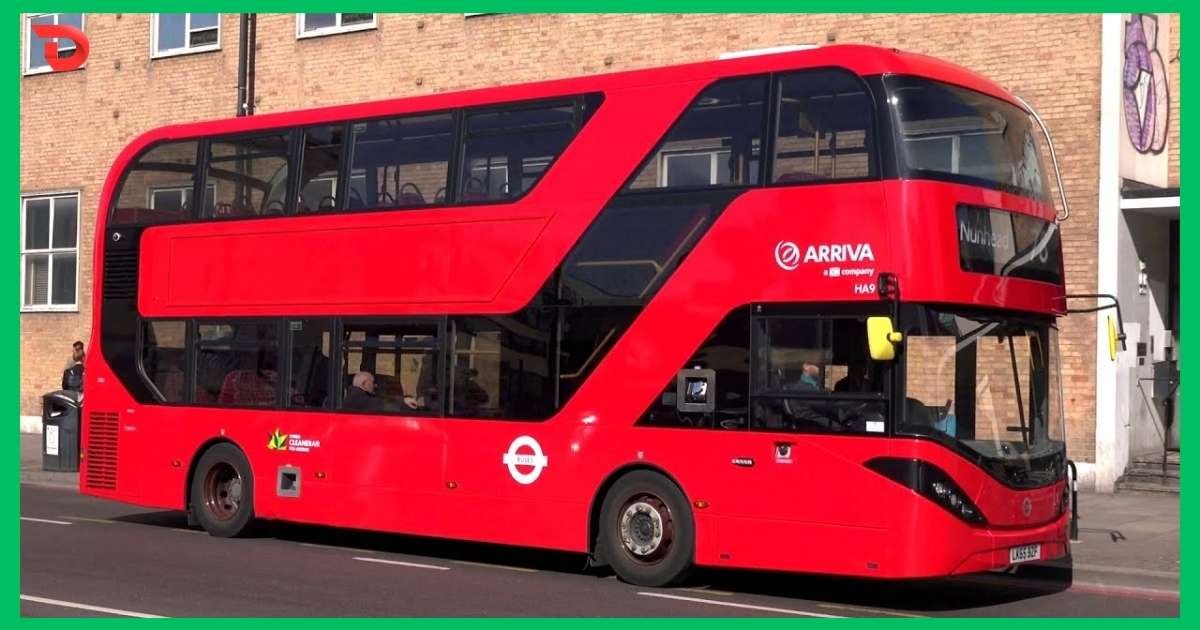
A standard double-decker bus is about 50 feet long, which equals 600 inches, 1,524 centimeters, or 15.24 meters. It has two levels for passengers, allowing more people to travel while taking up less space on the road. You can picture its length as similar to a small building or three cars parked one after another.
Visualize a bus that stretches 50 feet from front to back. Understanding this length is useful for city planners, bus stop design, or even imagining how it fits in traffic. At home, you could measure 50 feet using a long tape or by marking out several rooms to approximate the bus’s full length.
Double-decker buses have carried passengers through cities like London for over a hundred years. Spotting one on the street is one of the easiest everyday ways to see 50 feet in real life.
Small airplane wingspan
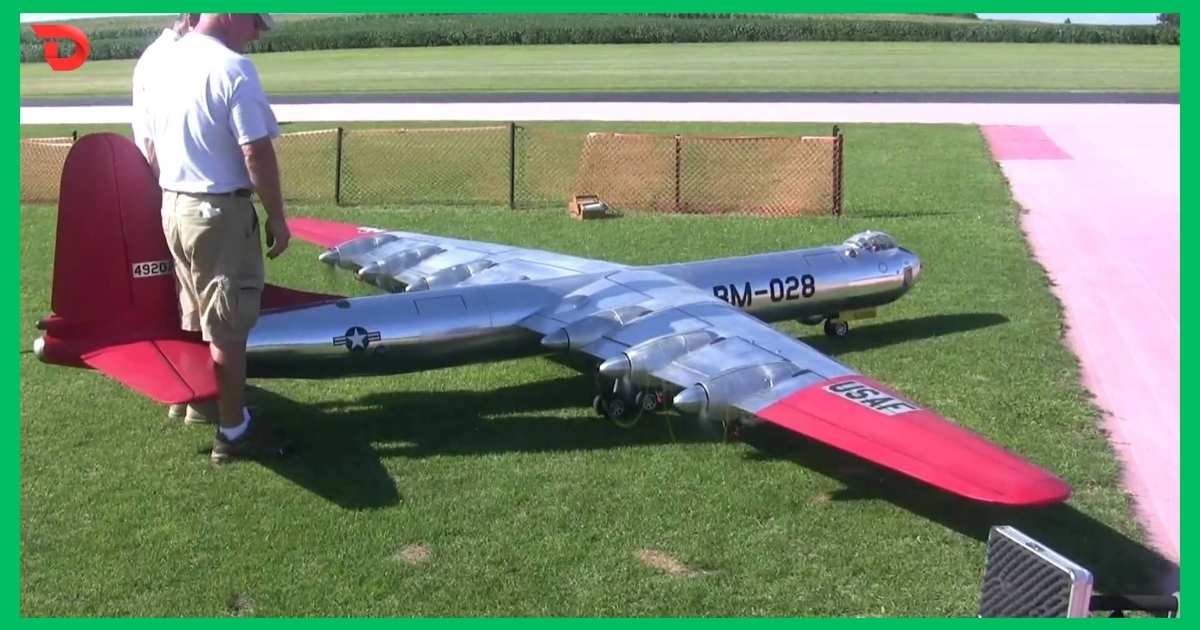
Some small airplanes, like light jets or private planes, have a wingspan of about 50 feet, which is 600 inches, 1,524 centimeters, or 15.24 meters. This measurement is from one wingtip to the other. You can picture it as being as long as a standard double-decker bus or a small building.
Visualizing it, imagine a plane’s wings stretching 50 feet across. Understanding this helps pilots, airport staff, and aircraft enthusiasts know how much space is needed for takeoff, landing, and parking. At home, you can compare it to the length of three large cars parked side by side to get a rough idea.
Small private jets were designed with wingspans around 50 feet to balance speed, fuel efficiency, and maneuverability. Next time you see one at an airport, its wingspan is a ready-made 50-foot measuring stick.
A 5 Story Building

A typical 5-story building is about 50 feet tall, which equals 600 inches, 1,524 centimeters, or 15.24 meters. Each floor is usually around 10 feet high in a residential building. You can picture it as roughly the height of a double-decker bus stacked three times or slightly taller than a large tree.
Visualize standing at the bottom and looking up at 50 feet. Knowing this height is useful for architects, builders, or anyone planning construction or estimating building sizes. At home, you could measure with a tape over several floors or compare it to nearby objects like streetlights or poles.
Most urban buildings give each floor about 10 feet of height for comfort and structure. Looking up at any 5-story building is looking up at roughly 50 feet.
Five Amur Tiger

Five adult Amur tigers lined up head-to-tail can roughly total 50 feet, depending on their individual size. Each tiger measures about 8 to 10 feet long, which is 96–120 inches, 2.44–3.05 meters, or 244–305 centimeters. Comparing them to 50 feet gives a concrete sense of how long that distance really is in a way most people can visualize.
To picture it, imagine five tigers stretched across a small street or the length of a city bus placed end-to-end. Understanding this comparison helps anyone grasp the scale of 50 feet, whether for learning, planning, or just imagining space in real life. You could even mark out 50 feet at home to see how five tigers would fit along that length.
Amur tigers are powerful, agile hunters that can take down prey much larger than themselves. Five of them in a row is an unusual but unforgettable way to measure 50 feet.
Two and a Half Containers
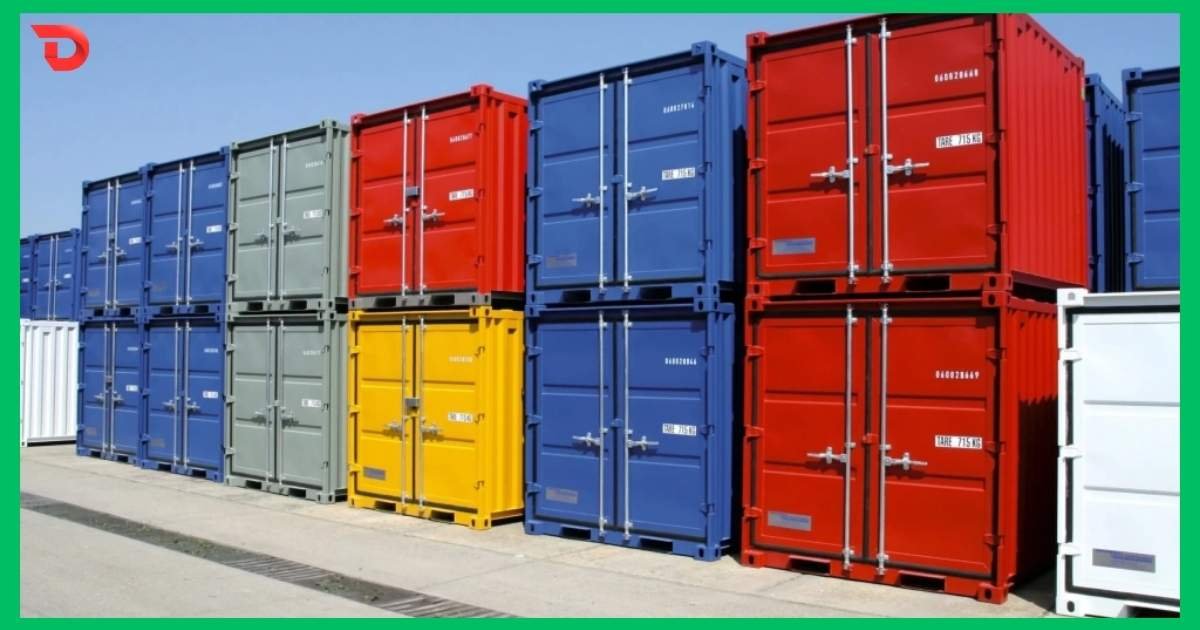
A standard shipping container is usually about 20 feet long. If you place two and a half containers end-to-end, the total length becomes roughly 50 feet, which equals 600 inches, 1,524 centimeters, or 15.24 meters. This gives a simple way to picture what 50 feet looks like using everyday cargo containers.
Visualize stacking two full containers and then adding half of another one in a row. That length is similar to a small city bus or a 5-story residential building. Knowing this comparison is useful for planning storage, loading docks, or moving large items. At home, you can measure out 50 feet using tape or mark multiple rooms to understand the space.
Standard shipping containers have moved goods around the world for over 60 years. Two and a half of them in a row is one of the most straightforward visual measures of 50 feet you will find.
Semi-Trailer

A standard semi-trailer is about 50 feet long, which equals 600 inches, 1,524 centimeters, or 15.24 meters. It is a large trailer attached to a truck, commonly used to transport goods across highways and cities. Comparing it to 50 feet helps people easily understand the full length of this vehicle in real life.
Picture a semi-trailer stretching as long as a city bus. Knowing this size is useful for planning parking, loading docks, or highway maneuvers. At home, you can mark 50 feet using a tape measure or align several rooms end-to-end to imagine the full length.
Semi-trailers haul tens of thousands of pounds of cargo safely across long distances. Watching one pass on the highway is watching 50 feet roll by in real time.
Fire engine ladder
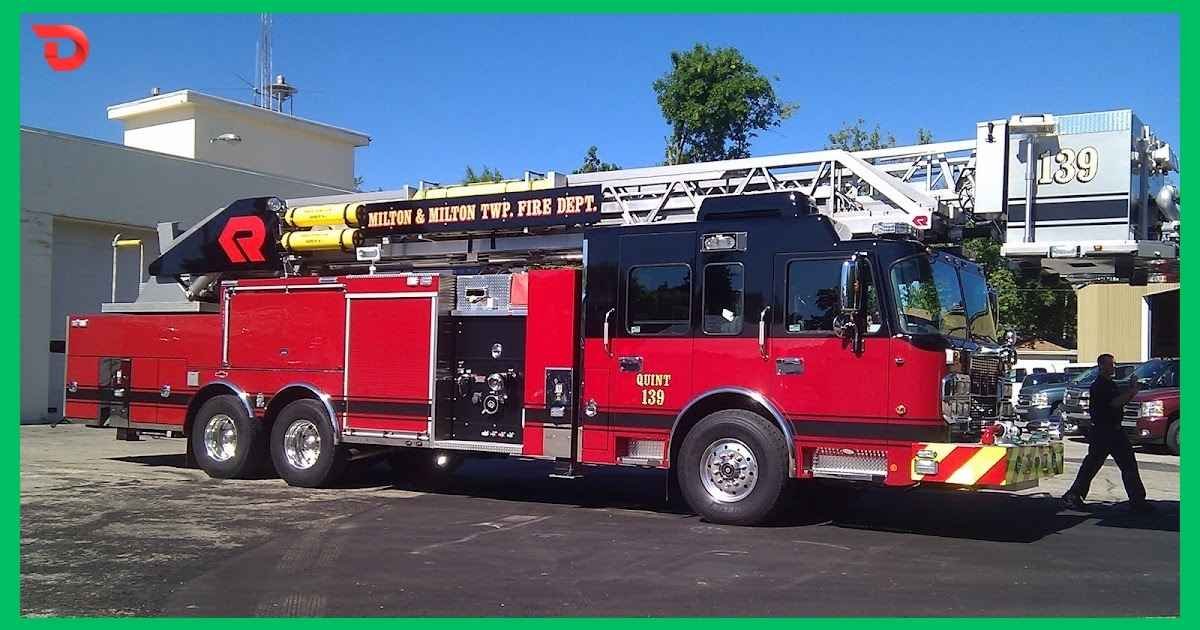
A fire engine ladder can extend up to about 50 feet, which equals 600 inches, 1,524 centimeters, or 15.24 meters. It is mounted on a fire truck and used by firefighters to reach high places during emergencies. Comparing it to 50 feet helps people understand just how far it can reach in real life.
Imagine a ladder stretching as long as a small two-story building or the length of a standard city bus. Knowing this length is useful for planning rescue operations, estimating reach during fires, or understanding the ladder’s capabilities. At home, you can use a measuring tape or mark out 50 feet with objects like rooms or furniture to visualize it.
Some modern fire engine ladders rotate and extend automatically to reach even taller heights. A fully extended 50-foot ladder shows the distance as pure vertical reach.
Futsal Court Width
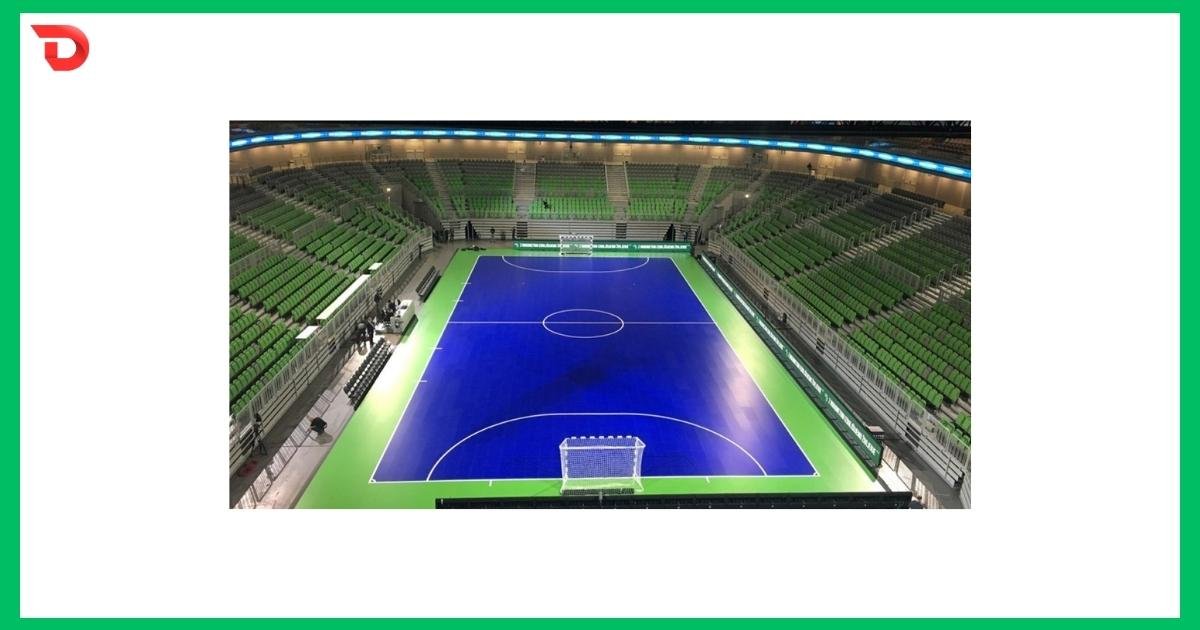
A standard futsal court is about 50 feet wide, which equals 600 inches, 1,524 centimeters, or 15.24 meters. Futsal is a fast-paced indoor soccer game played on smaller courts than traditional soccer. Knowing the width helps players, coaches, and planners understand the space needed for matches and practice.
Imagine the court width stretching as long as a semi-trailer or a small two-story building. Understanding this size is useful for designing indoor sports halls, setting up home futsal areas, or visualizing how much space players cover during a game. At home, you could measure 50 feet with a long tape or compare it to several parked cars end-to-end.
Futsal originated in South America as a game of skill and ball control in tight spaces. The width of the court turns 50 feet into a playing area you can see all at once.
Telephone Poles

A standard utility or telephone pole can reach about 50 feet in height, which is 600 inches, 1,524 centimeters, or 15.24 meters. These poles carry electricity and communication lines in cities and rural areas. Comparing them to 50 feet helps people understand their impressive height.
Imagine looking up at a pole as tall as a small five-story building or a semi-trailer laid end-to-end. Knowing this height is useful for safety, planning, and maintenance work. At home, you can visualize 50 feet by stacking five average room heights or measuring a long hallway multiple times.
Early utility poles were cut from solid wood and could last for decades with proper maintenance. Glancing up at any modern pole is a quick lesson in what 50 feet of height looks like.
Basketball Court Width
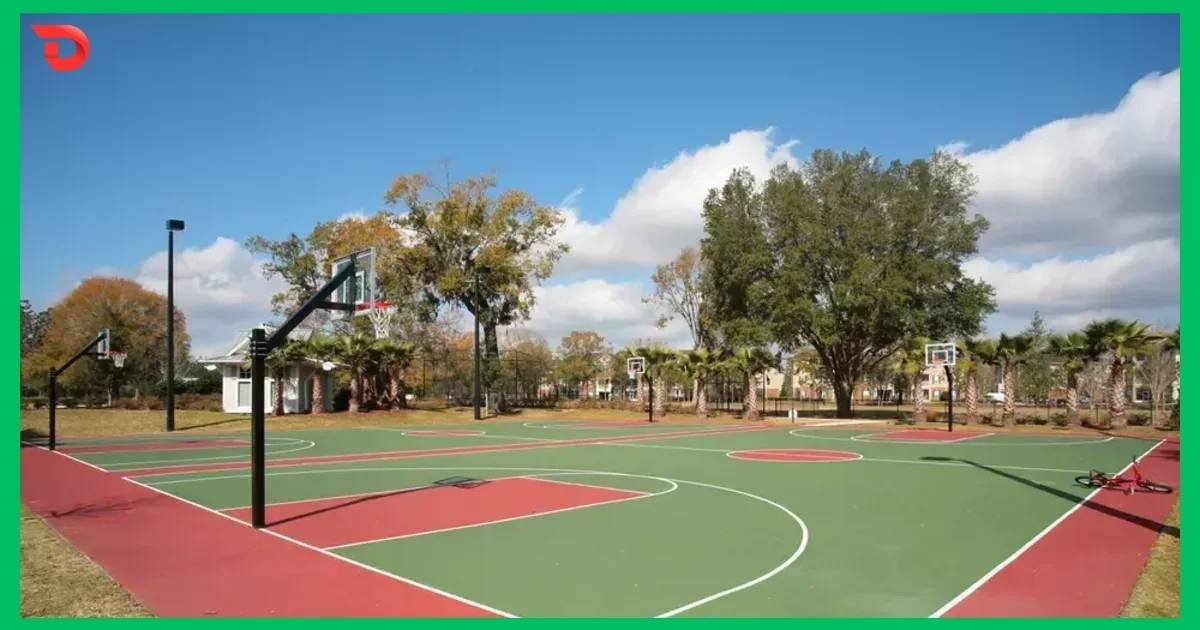
A standard basketball court is about 50 feet wide, which equals 600 inches, 1,524 centimeters, or 15.24 meters. This applies to professional and recreational courts and defines the space players have for passing, dribbling, and shooting during a game.
Picture the court width as long as a semi-trailer or slightly longer than a small room stretched across three times. Knowing this helps with planning courts, indoor gyms, or even backyard mini courts. At home, measure 50 feet with a long tape or compare it to multiple parked cars side-by-side.
Basketball was invented in 1891 by James Naismith, and court dimensions have been standardized for fair play ever since. The width of the court puts 50 feet right in front of sports fans.
FAQs
1. How long is 50 feet in meters?
50 feet equals 15.24 meters. You can picture it as about half the length of a standard tennis court.
2. How many inches are in 50 feet?
There are 600 inches in 50 feet because 1 foot = 12 inches.
3. What everyday objects are about 50 feet long?
Some examples are a semi-trailer, a double-decker bus, two and a half shipping containers, or five Amur tigers lined up head-to-tail.
4. How many car lengths equal 50 feet?
The average car is about 15 feet long, so roughly 3 to 4 cars parked end-to-end equal 50 feet.
5. How tall is a 50‑foot building in stories?
A typical story is about 10 feet tall, so a 50-foot building would be around 5 stories high.
6. Is 50 feet half of a basketball court?
Yes, a standard basketball court is about 94 feet long, so 50 feet is slightly more than half its length.
7. How long does it take to walk 50 feet?
An average person walks about 3 to 4 feet per second, so it takes roughly 12 to 15 seconds to walk 50 feet.
8. How many steps make up 50 feet?
The average adult step is about 2.5 feet, so it takes roughly 20 steps to cover 50 feet.
9. What size container or trailer is about 50 feet long?
A full semi-trailer or two and a half standard shipping containers together are about 50 feet long, which is commonly used for shipping and transport.
Conclusion
Understanding 50 feet becomes very easy when we compare it with real-life objects. From a semi-trailer and fire engine ladder to a double-decker bus or even five Amur tigers in a row, these examples help us see how long 50 feet really is.
Remember, 50 feet equals 600 inches, 1,524 centimeters, or 15.24 meters. By comparing it with buildings, vehicles, sports courts, and animals, you can quickly imagine this distance and use it to understand or plan space in daily life.
Related reading:
How Far Is 300 Feet (13 Real-Life Examples That Will Surprise You)
How Long Is 3 Feet? (10 Real-Life Examples That Will Surprise You)

James Carter is the founder and editor of DimensionWay, where he researches, measures, and verifies real-world dimensions, from everyday objects to world-famous landmarks. Every number published on DimensionWay is cross-checked against manufacturer specifications and official sources, so readers always get accurate, easy-to-visualize comparisons.

8 thoughts on “50 Feet Long (11 Real-Life Examples That Will Surprise You)”